Industries
Six industries, two versions of the same problem.
- Industries served
- 6 core, many more
- Both directions
- We buy and we sell
- Coverage
- 14-state core, US-wide
Tell us your industry
Put the sector in the message and we will answer with what other operations like yours actually run.
Answer first
Generators and consumers, matched.
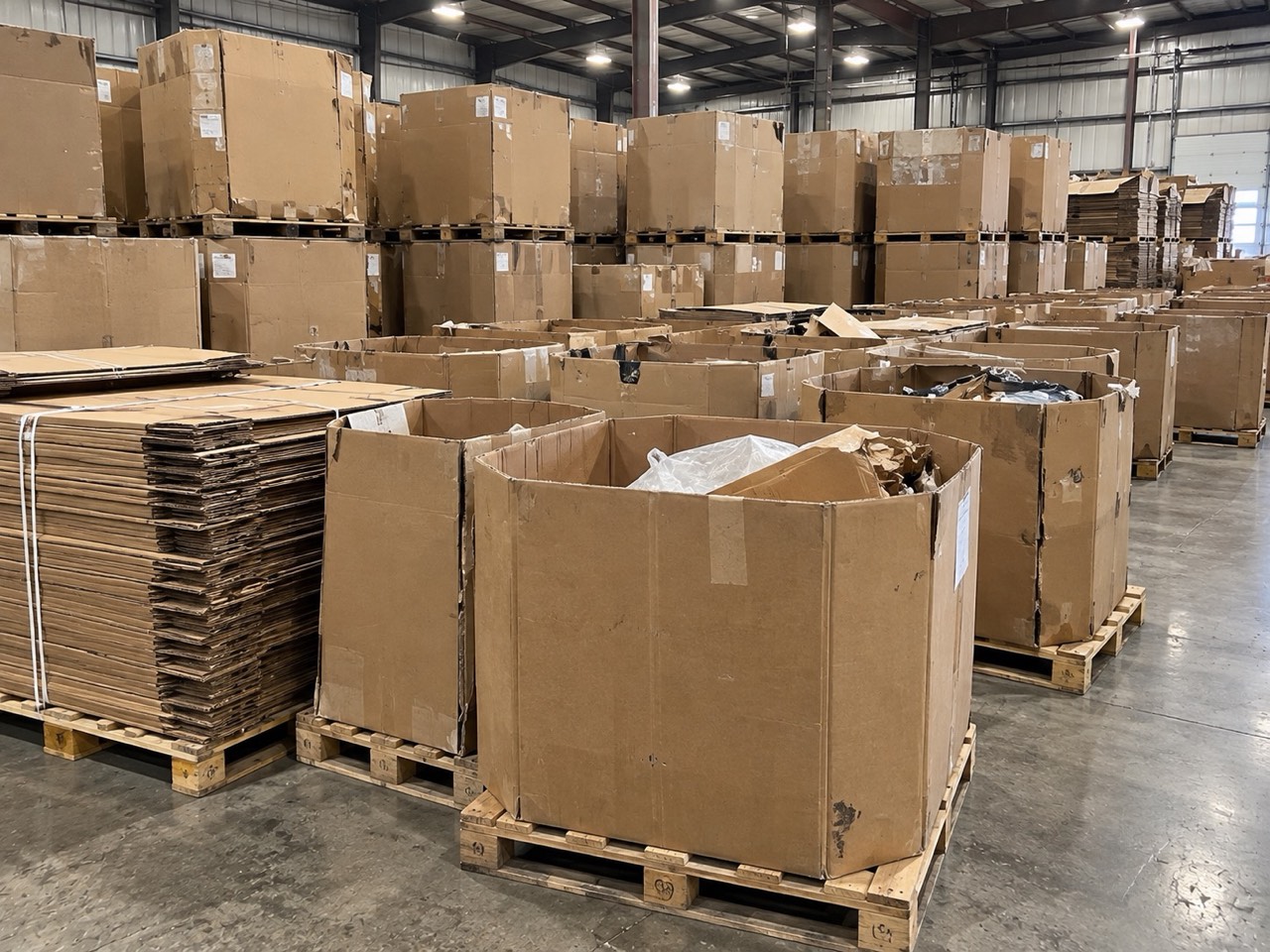
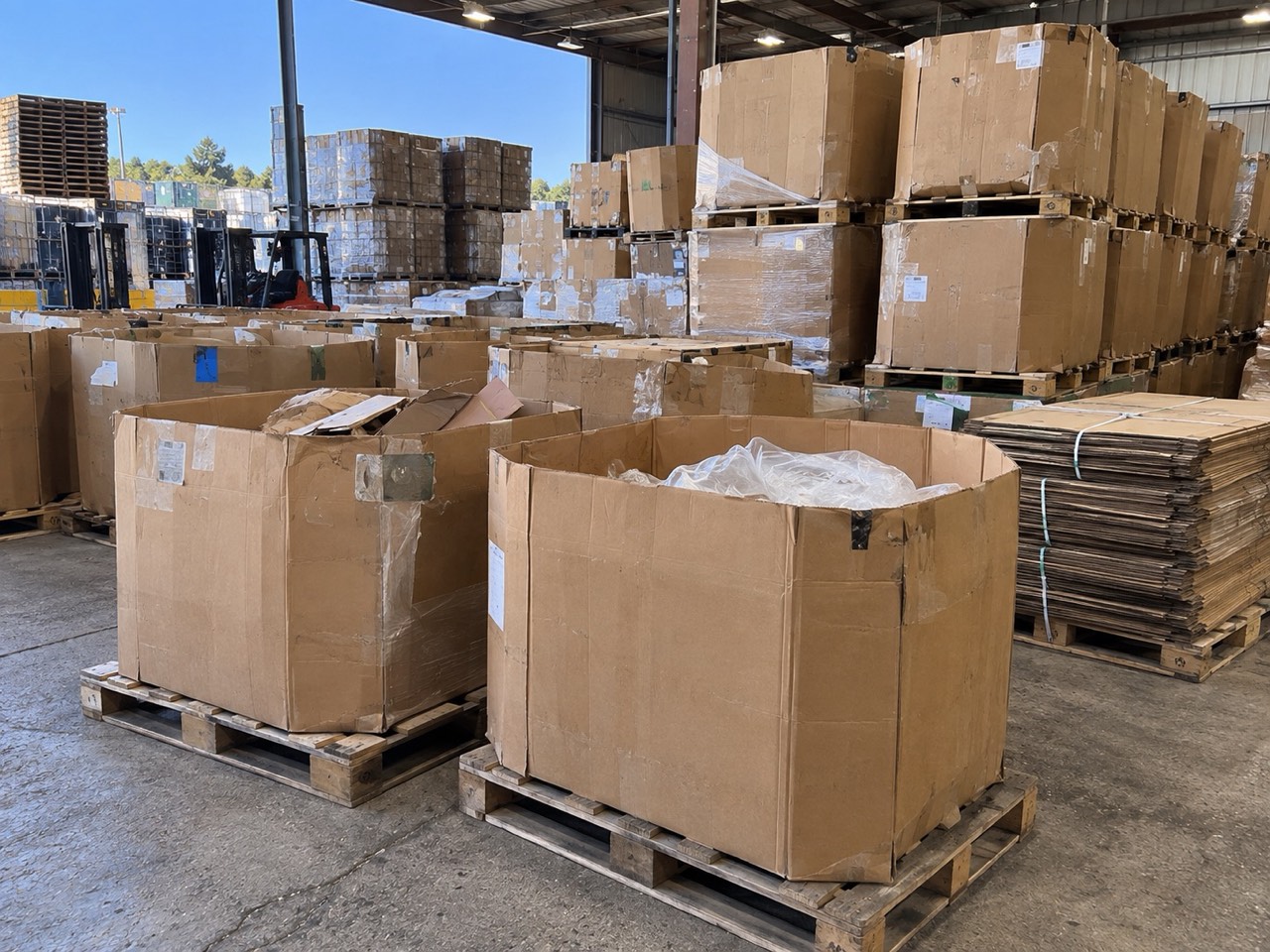
Some industries are structural generators of bulk packaging: e-commerce fulfilment, contract manufacturing, retail distribution. Others are structural consumers: plastics recyclers, scrap processors, seed handlers, foundries. Most large operations are quietly both, in different buildings.
Matching the two is the most valuable thing we do. A 3PL in the Northland generating four hundred empties a month and a compounder in Olathe buying four hundred a month are, until somebody introduces them, two separate cost centres.
Automotive & tier suppliers
Interior trim, seat foam, blow-moulded parts and stamped metal. Big cube one way, dense weight the other.
Consumer & generator
OpenFood & beverage
Dry ingredients, packaging components and seasonal peaks — where liners do most of the work that new board is usually bought for.
Liner-led
OpenE-commerce & 3PL
Returns processing, kitting and peak-season surges. The biggest structural generator of reusable boxes in the country.
Generator
OpenPlastics & recycling
Regrind, purge, flake and pellet. The industry that invented the gaylord habit and the one that reuses hardest.
Consumer
OpenAgriculture & seed
Sharply seasonal, moisture-critical and weight-dense. Storage discipline matters more here than anywhere.
Seasonal
OpenPharma, lab & device
Where documentation, cleanliness and traceability decide what is possible — and where we say no more often.
Specification-led
Open
At a glance
What each sector typically runs.
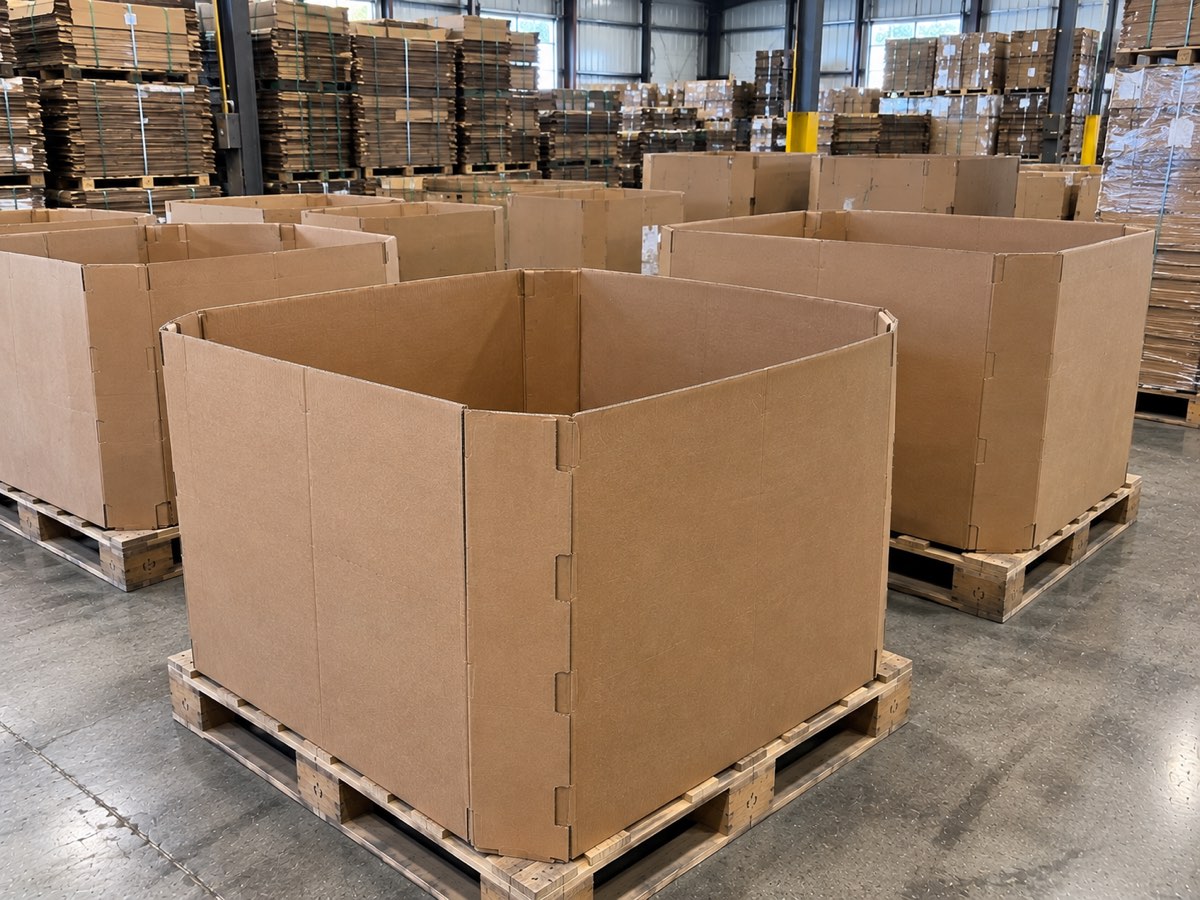
| Industry | Usual footprint | Typical grade | Direction | Distinguishing constraint |
|---|---|---|---|---|
| Automotive & tier | 48 × 40 × 44 / 48 × 45 × 34 | 2A – 3A | Both | Rack-specific footprints and tight scheduling |
| Food & beverage | 44 × 44 × 36 / 48 × 40 × 36 | 1A – 2A | Consumer | Liner specification and documentation |
| E-commerce & 3PL | 48 × 40 × 34 / cartons | 2A – 3A | Generator | Seasonal surges and returns volume |
| Plastics & recycling | 48 × 40 × 36 5-wall / octabins | 2A – 3A | Consumer | Discharge behaviour and residual product |
| Agriculture & seed | 48 × 40 × 36 / bulk bags | 2A – 3A | Seasonal both | Moisture and sharply seasonal demand |
| Pharma, lab & device | New or 1A | 1A / new | Consumer | Traceability and cleanroom compatibility |
Patterns
What every sector gets wrong, and it is never the same thing.
Twelve months of grading data, cross-referenced by source sector. The mistakes are remarkably consistent within an industry and completely different between them.
| Sector | Characteristic mistake | What it costs | Fix |
|---|---|---|---|
| Automotive | Substituting a GMA footprint for a rack-specific one | Line stoppages and destroyed bottom edges | Measure the rack, not the pallet |
| Food & beverage | Buying new because of a contact rule a liner already satisfies | Roughly double the packaging spend | Read the written specification |
| E-commerce & 3PL | Baling single-size cartons as OCC | $0.40 – $1.80 per carton, weekly | Sort for one week and count |
| Plastics & recycling | Cutting discharge ports in octabins | Three or four reuse cycles per bin | Tip, vacuum or remove the cap |
| Agriculture | Storing empties outdoors over summer | A full grade, every season | Sell at season end, or store under a roof |
| Pharma & lab | Applying qualified-area rules to the whole estate | 40 – 60% of bulk packaging spend | Split the estate; used outside the qualified area |
| General manufacturing | Pairing good boxes with short pallets | Two to three reuse cycles per box | Measure five pallets with a tape |
| Recyclers & waste | Baling reusable containers | 40× per unit against OCC value | Sort before the baler, always |
Beyond the six
Everyone else who buys from this yard.
The six pages above cover our largest sectors. These are the ones that turn up regularly enough to be worth naming.
- Foundries and metal finishing
- Shallow boxes for dense castings and turnings, where the weight limit arrives at a third of the cube. 24 and 30 inch heights on triple wall.
- Breweries and distilleries
- Bulk boxes for spent grain, packaging components and seasonal surges. Moisture discipline matters more here than most buyers expect.
- Textiles and apparel
- Light, bulky and cube-limited. The tallest box the dock will take, in the cheapest grade the job allows.
- Print and paper trade
- Heavy reinforced cartons in, baled OCC out. Frequently both a customer and a supplier in the same week.
- Universities and research
- Small volumes, odd sizes, and a strong preference for documented reuse over new purchase.
- Film, theatre and events
- Display bases, laminated panels and large volumes of cheap mixed cartons for set construction.
- Charities and food banks
- Mixed pallets of cartons where cost is the binding constraint. We price these at the bottom of the range and always have.
- Cannabis and hemp processing
- Odour-sensitive, moisture-sensitive and documentation-conscious. Liners do most of the work; we are strict about previous contents.
Your sector is not listed? It is still probably us.
Foundries, textiles, cannabis, breweries, print shops, universities and film studios all buy from this yard. Describe the job.